
Skip to content

How Long Should You Run Your Pool Pump?


by Daniel Schilling
July 11, 2026

 
Pool pumps | Pure Blue Pools
Pool Pumps | Pure Blue Pools Georgia

One of the most common questions pool owners ask is, "How long should I run my pool pump?"


The answer depends on several factors, including your pool's size, the time of year, water temperature, how often the pool is used, and the type of pool pump you have.

Years ago, many homeowners were told to run their pool pump for eight hours a day. While that's still a good starting point for some pools, modern variable-speed pumps and advances in pool equipment mean there isn't a one-size-fits-all answer.

At Pure Blue Pools, we help homeowners choose the right pump settings to keep their pools clean, efficient, and ready to enjoy while avoiding unnecessary energy costs.


Why Running Your Pool Pump Matters


Your pool pump circulates water through your filtration system, helping remove dirt and debris while distributing chemicals evenly throughout the pool.

Running your pump for the proper amount of time helps:

 
  • Keep the water clean and clear
  • Improve filtration
  • Prevent algae growth
  • Distribute chlorine and other pool chemicals
  • Support heaters, saltwater systems, and water features
  • Improve overall water circulation

Running your pump too little can lead to cloudy water and poor circulation. Running it longer than necessary may increase your electric bill without providing additional benefits.
 

General Pool Pump Run Time Guidelines


Every swimming pool is different, but these recommendations are a good starting point.
 

Spring and Fall


When temperatures are mild, most pools need about 6 to 8 hours of circulation each day.
 

Summer


During hot weather, pools typically benefit from 8 to 12 hours of run time, especially if the pool receives heavy use or plenty of direct sunlight.
 

Winter


In Georgia, many pools can reduce pump run time to 4 to 6 hours per day during the cooler months, depending on weather conditions and whether the pool remains open year-round.


Schedule a Call
Img 2153


Variable-Speed Pool Pumps vs. Single-Speed Pool Pumps


The type of pool pump you have makes a significant difference.
 

Variable-Speed Pool Pumps


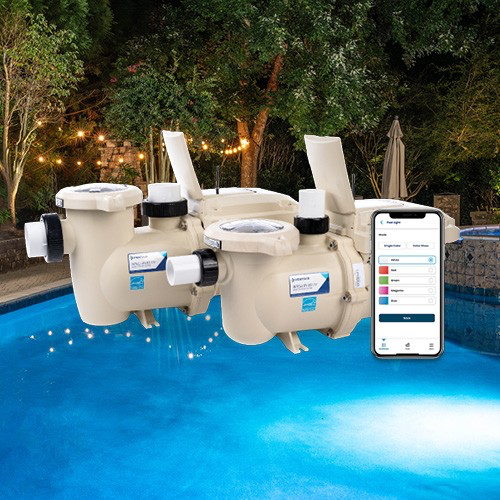
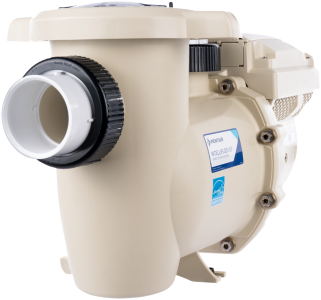
Variable-speed pumps are designed to run longer at lower speeds, using much less electricity than traditional pumps.

Many homeowners run a variable-speed pump 10 to 24 hours per day at lower speeds while still spending less on electricity than they would with a single-speed pump running for only a few hours.


Benefits include:
 
  • Lower energy costs
  • Quieter operation
  • Better filtration
  • Improved water circulation
  • Longer equipment life
 

Single-Speed Pool Pumps


Single-speed pumps operate at full power whenever they're on, which means they use considerably more electricity.

Most homeowners with single-speed pumps run them 6 to 10 hours per day, depending on the season and the pool's needs.


Factors That Affect How Long You Should Run Your Pool Pump


Several factors determine the ideal run time for your pool.
  • Pool Size

  • Larger pools contain more water and usually require longer circulation times.
  • Water Temperature

  • Warmer water encourages algae growth and increases chlorine demand, making longer pump run times beneficial during the summer months.
  • Pool Usage


If your family swims every day or you're hosting guests, your pool may require additional filtration to keep the water clean.


Trees and Debris


Pools surrounded by trees often need additional circulation to help remove leaves, pollen, and organic debris.
 

Water Features


Waterfalls, fountains, spas, and other features may require additional pump run time to operate properly.
 

Signs Your Pool Pump Isn't Running Long Enough


If your pump isn't circulating water long enough, you may notice:
 
  • Cloudy water
  • Algae growth
  • Uneven chemical readings
  • Debris collecting on the surface
  • Poor circulation
  • Dirty filters

Increasing run time often improves these issues, but persistent problems may indicate a larger equipment or water chemistry issue.
 

Can You Run Your Pool Pump Too Much?


Yes.

While extra circulation generally doesn't hurt your pool, running a single-speed pump longer than necessary can significantly increase electricity costs and add unnecessary wear to the equipment.

Variable-speed pumps are much more energy efficient and are designed to operate for longer periods at lower speeds.


What's the Best Time of Day to Run a Pool Pump?


Many pool professionals recommend running your pool pump during daylight hours, especially during the hottest part of the day.

This helps:
  • Improve chlorine effectiveness
  • Keep water circulating while the sun is consuming chlorine
  • Filter debris that enters the pool throughout the day

If your utility company offers lower electricity rates overnight, a variable-speed pump can often be programmed to take advantage of off-peak pricing while still providing excellent circulation.
 

The Bottom Line


There isn't one perfect number of hours that works for every swimming pool.

The ideal pool pump run time depends on your equipment, pool size, weather, and how your pool is used. The goal is to circulate your water enough to maintain clean, healthy conditions while keeping energy costs under control.

If you're unsure whether your pool pump is running efficiently, Pure Blue Pools can inspect your equipment, evaluate your circulation system, and recommend the best settings for your specific pool.


If you're considering replacing your equipment, be sure to read our guide:

How to Choose the Right Pool Pump for Your Swimming Pool
It explains the differences between today's leading pool pump manufacturers, the benefits of variable-speed technology, and what to consider before purchasing a new pump.


Published by PeachSites.
Schedule a Call

Have Questions About Pools?


Give Us a Call: 770-372-1935